
REBUILD
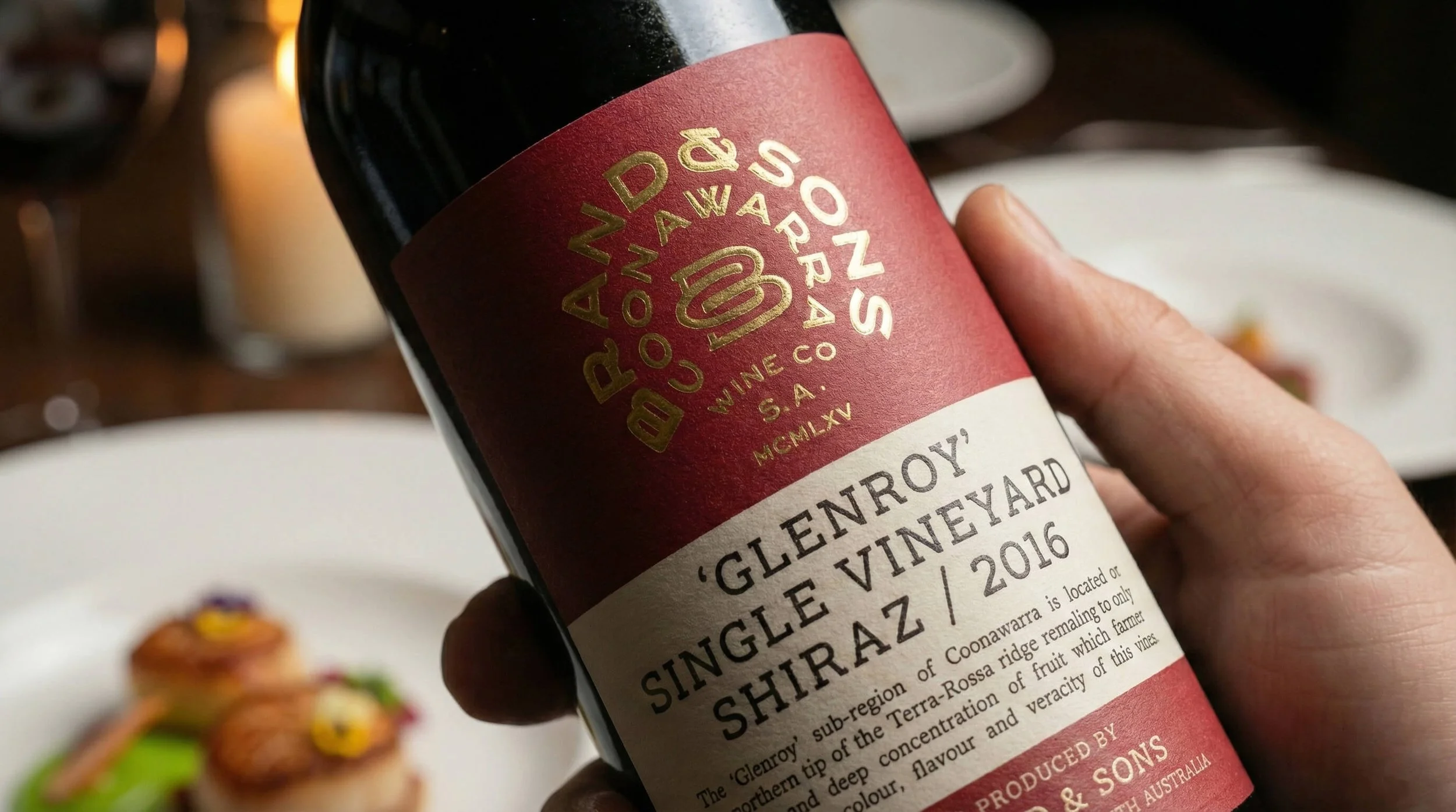
A REBUILD to introduce a super-premium range without weakening the existing portfolio.

CASE STUDY
Client / Category
Brand and Sons — Established family-owned winery.
Challenge
Introducing a higher-priced range without confusing customers or weakening the existing wines.
Solution
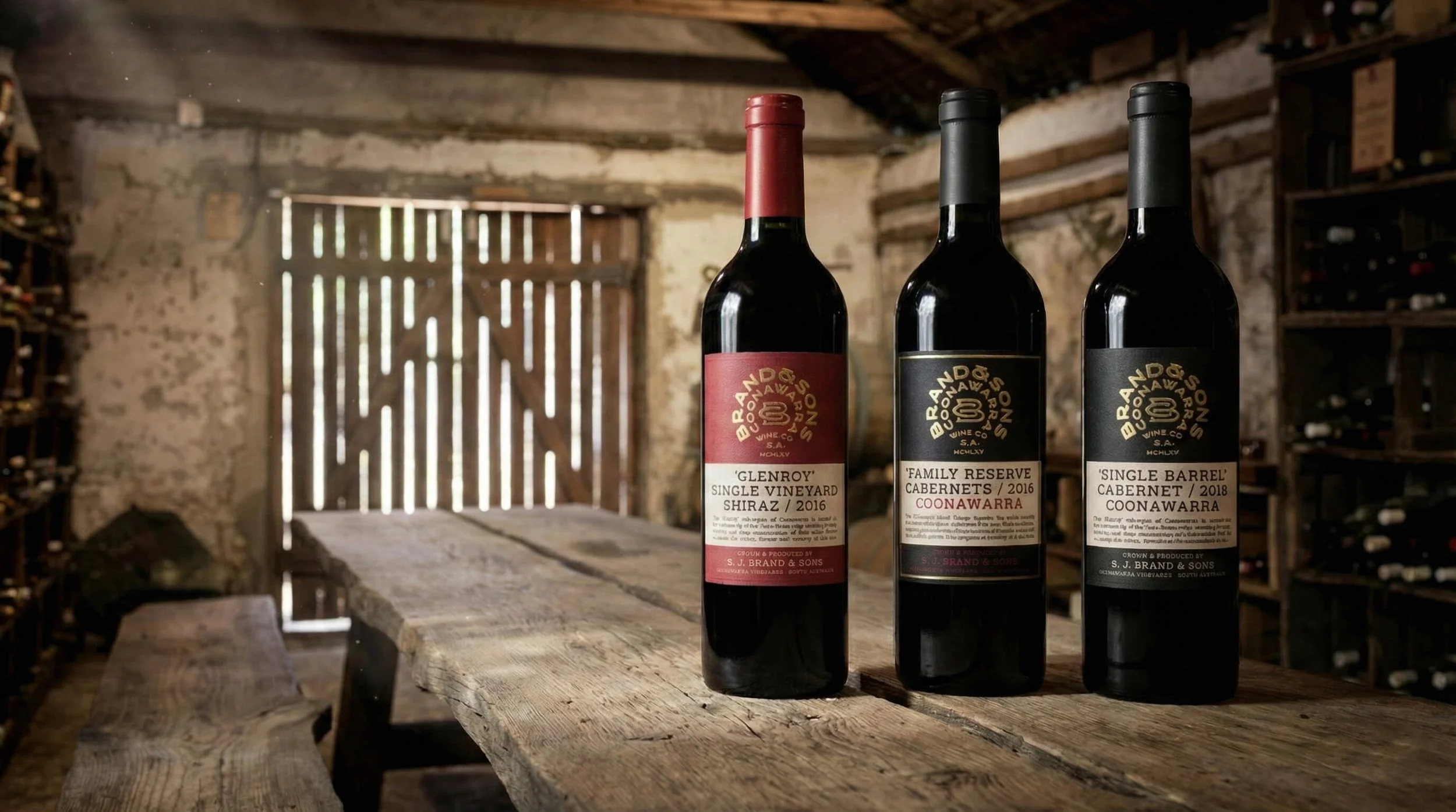
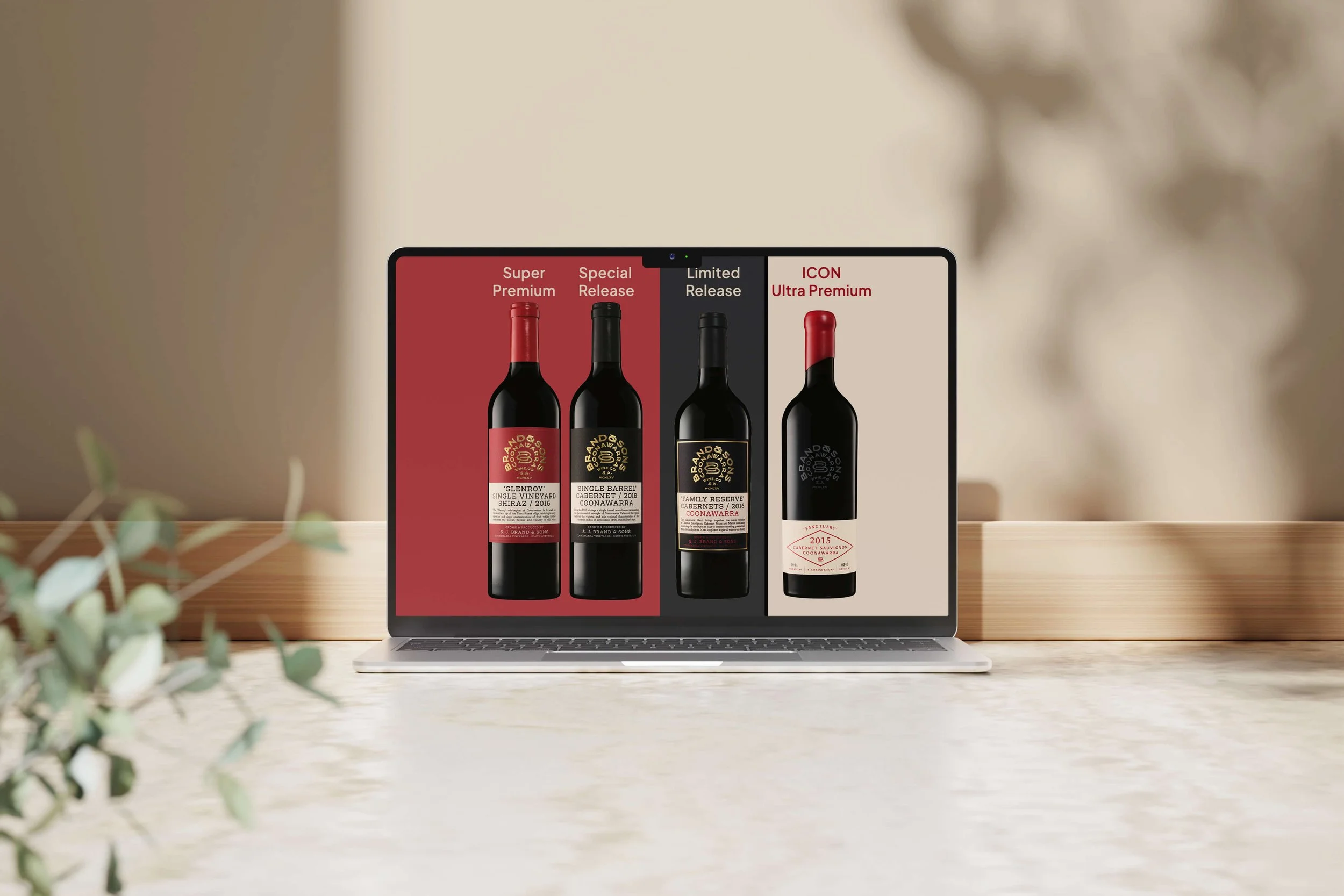
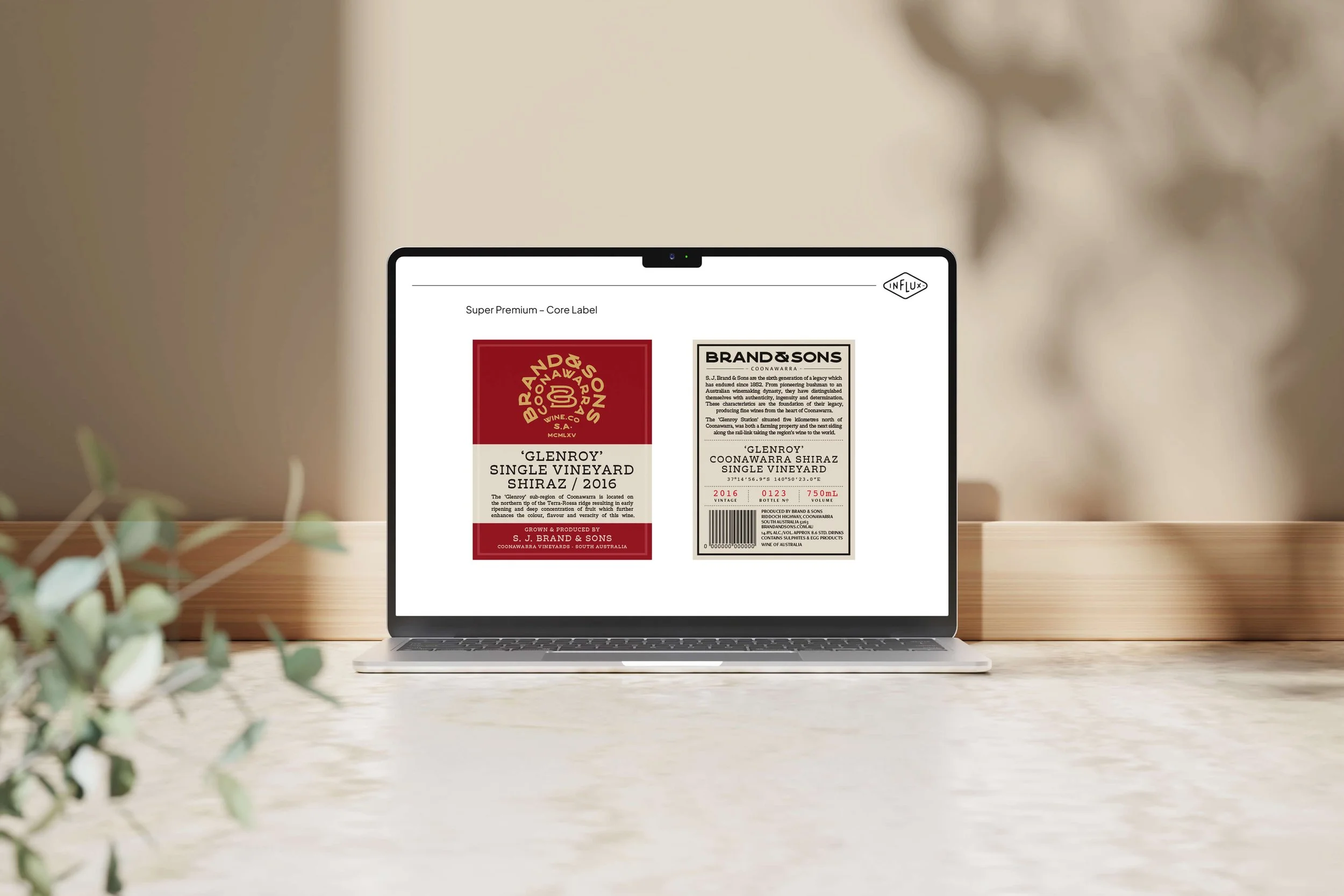
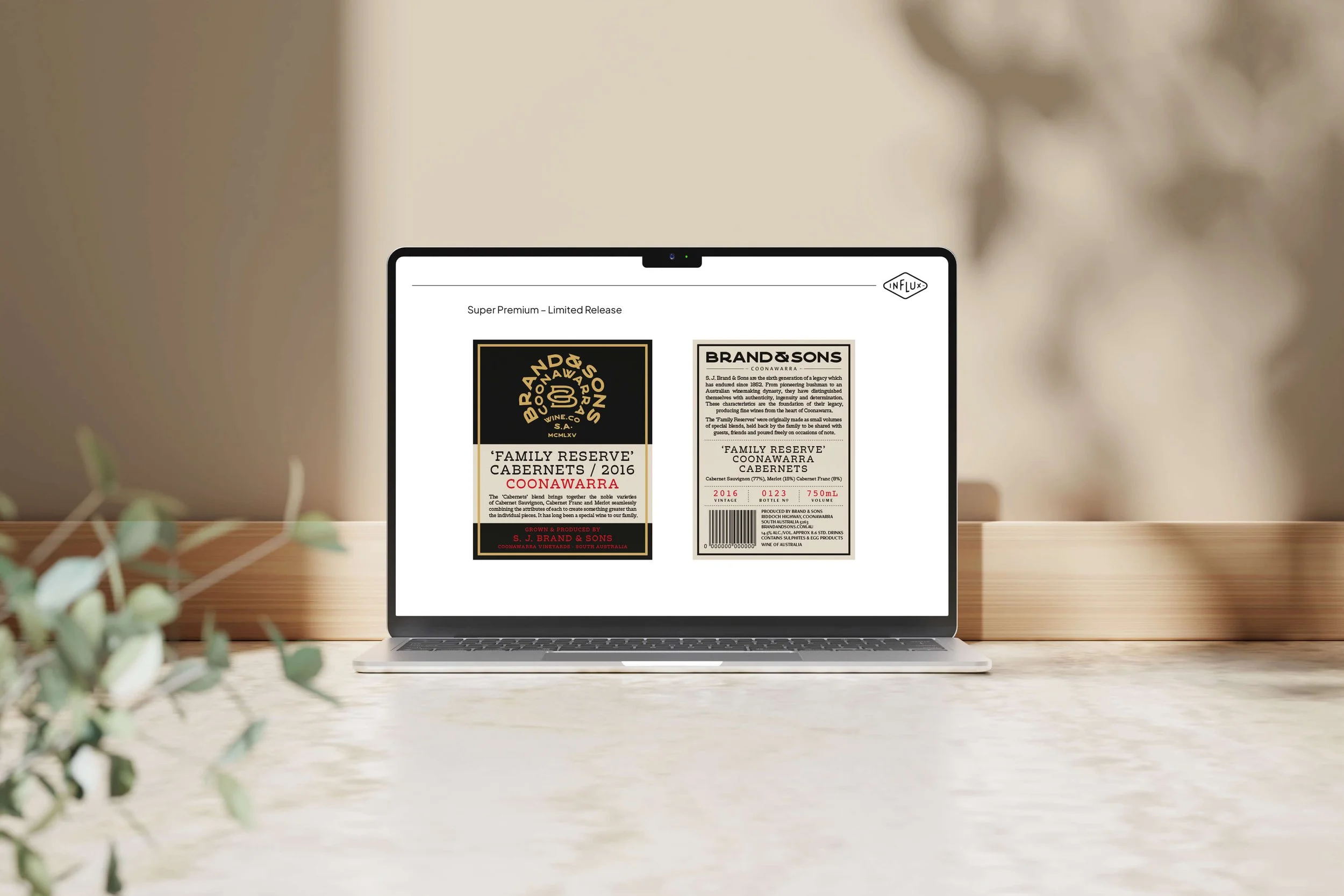
REBUILD — Clear structure for how each range fits, from core to super-premium.
Outcome
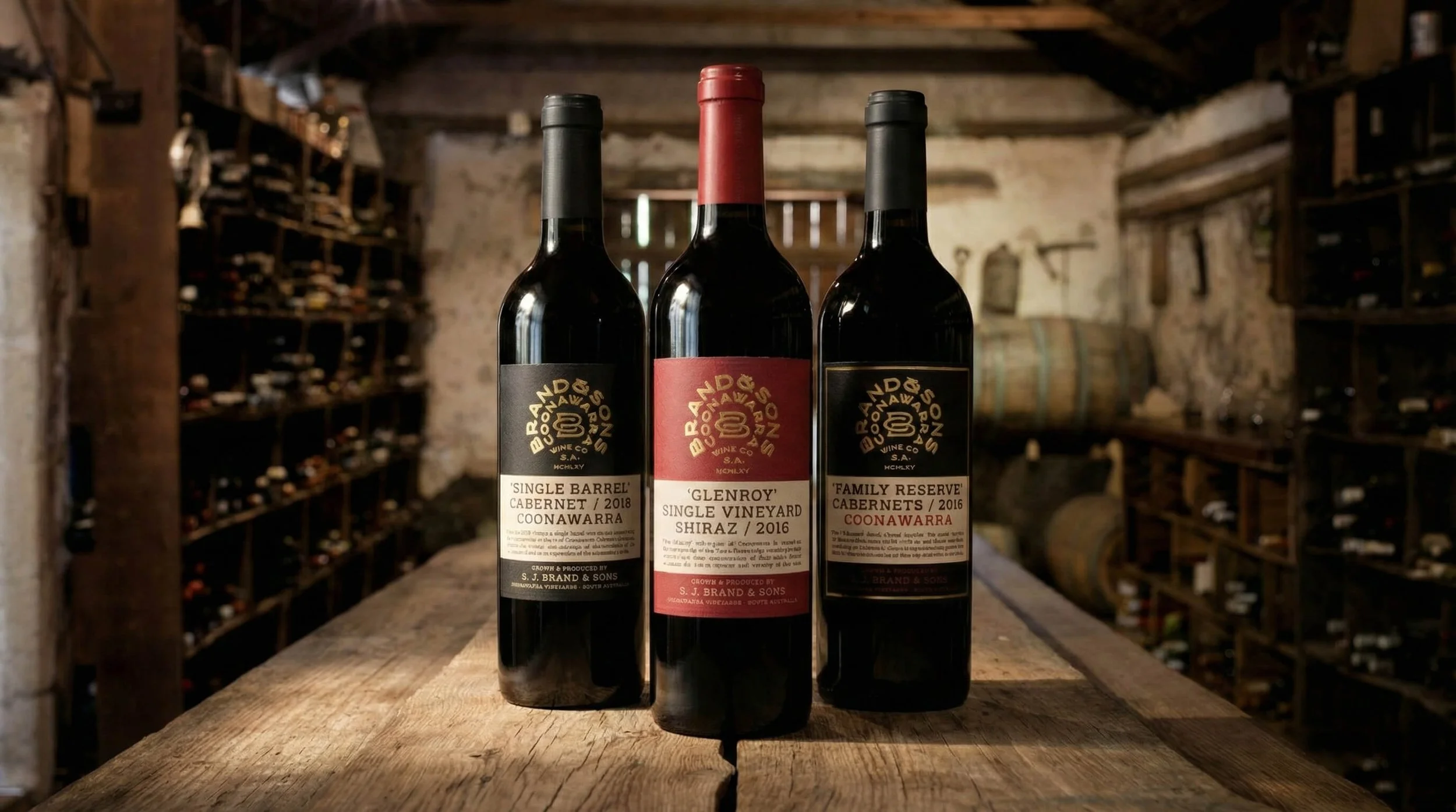
Clear progression on shelf from everyday to top tier. Stronger confidence in premium pricing, and internal alignment on how the range is presented and protected.
Built through a clear three-stage approach
Clarity → Visibility → Consistency
THE CHALLENGE
Brand & Sons had built a strong reputation for consistent quality and regional provenance. The core range was well understood, and the icon tier carried clear authority.
The challenge emerged in the middle. As the business prepared to introduce a higher-priced, super-premium range, the step up from core to icon wasn’t clear enough for customers or trade. On shelf, it was harder to justify the price increase with confidence.
This mattered commercially. The new range needed to succeed without weakening the top tier or creating confusion across the portfolio.
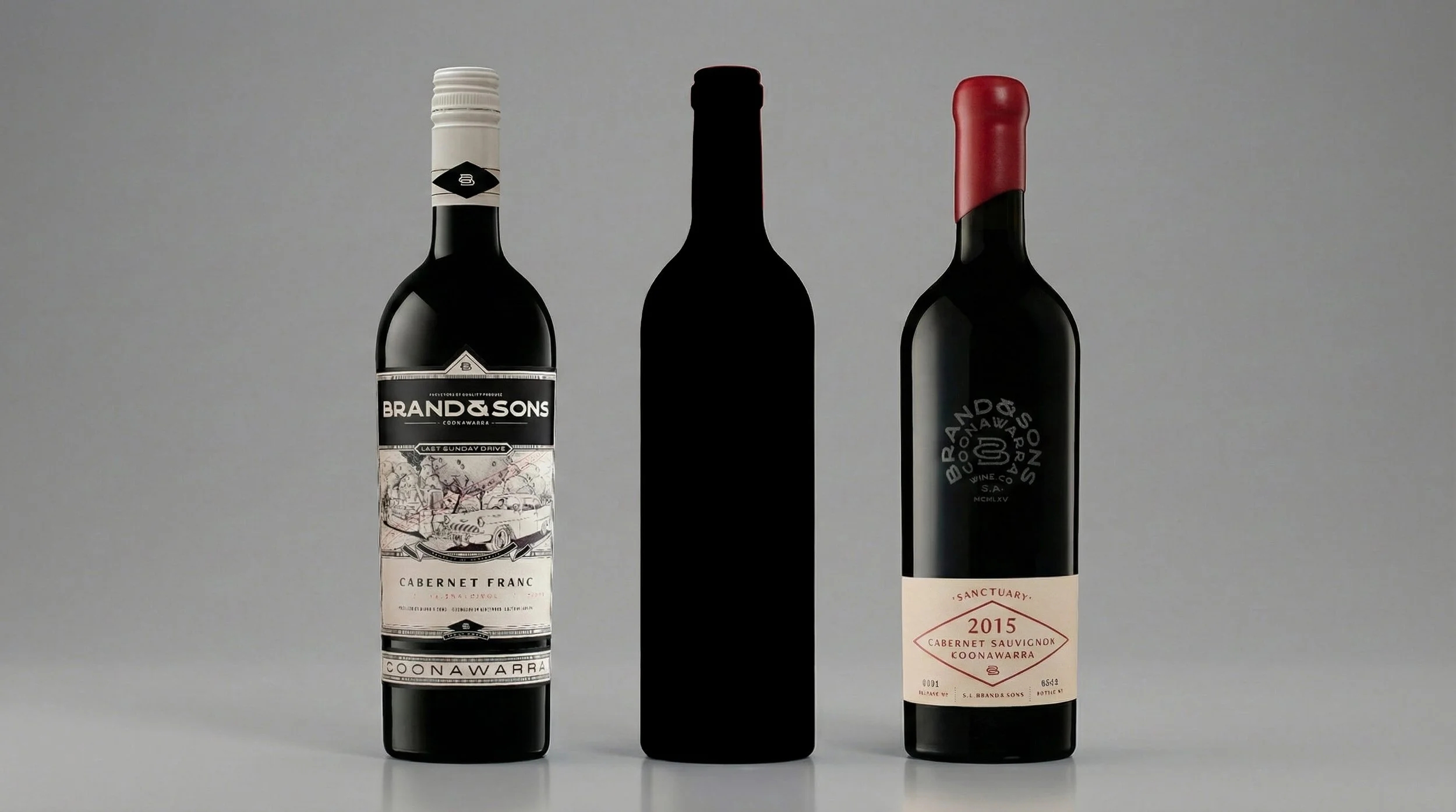
Icon
Premium
Super Premium
THE INSIGHT
TThe obvious response would have been to make the new range look more luxurious.
That approach would have focused on appearance, not understanding — and risked confusing customers rather than building trust.
What was actually needed was clarity around how each range fits. The super-premium tier had to feel intentional and earned, not dressed up. The decision had to be made at a portfolio level, before any labels were updated.
OUR APPROACH
We followed our REBUILD pathway, with a clear focus on protecting long-term value.
Key decisions included:
Defining the role of the new super-premium range within the wider portfolio
Setting clear boundaries between core, premium, and top-tier wines
Making sure the step up in price felt justified and easy to explain
Anchoring the range in the winery’s history and regional credibility
What we deliberately didn’t do:
Chase short-term luxury trends
Interfere with the established icon wines
Add unnecessary complexity to force perceived value
THE RESULT
Externally, the new range sat confidently on shelf, with a clearer progression from core through to icon. Trade conversations became easier, and higher price points were easier to justify.
Internally, the team gained clarity around how the new tier should be presented and protected. Decisions became simpler because the structure was clear.
Results were both qualitative and quantitative, including the absence of further redesign or repositioning after launch.
WHY IT WORKED
This worked because the business made the growth decision first — and let everything else follow.
By clearly separating the roles of each range, Brand & Sons were able to strengthen the middle without weakening the top. The result was confidence: for customers, for trade, and for the internal team.
This approach reduces long-term risk and can be repeated whenever a new range is introduced.
IS THIS FOR YOU?
You’re an established family-owned wineries protecting long-term brand equity
You’re a producer introducing a higher-priced tier without wanting a rebrand
You’re an owner-led business making careful, risk-aware growth decisions
This is not for start-ups or early-stage brands, producers chasing luxury cues without substance, businesses comfortable diluting brand meaning for short-term gains.
If you’re willing to define structure before making changes — and value restraint over decoration — this approach is repeatable.